Browse homes · Kaikōura
 Available
5 bed 5 bath 3 park House
The deal
About this home
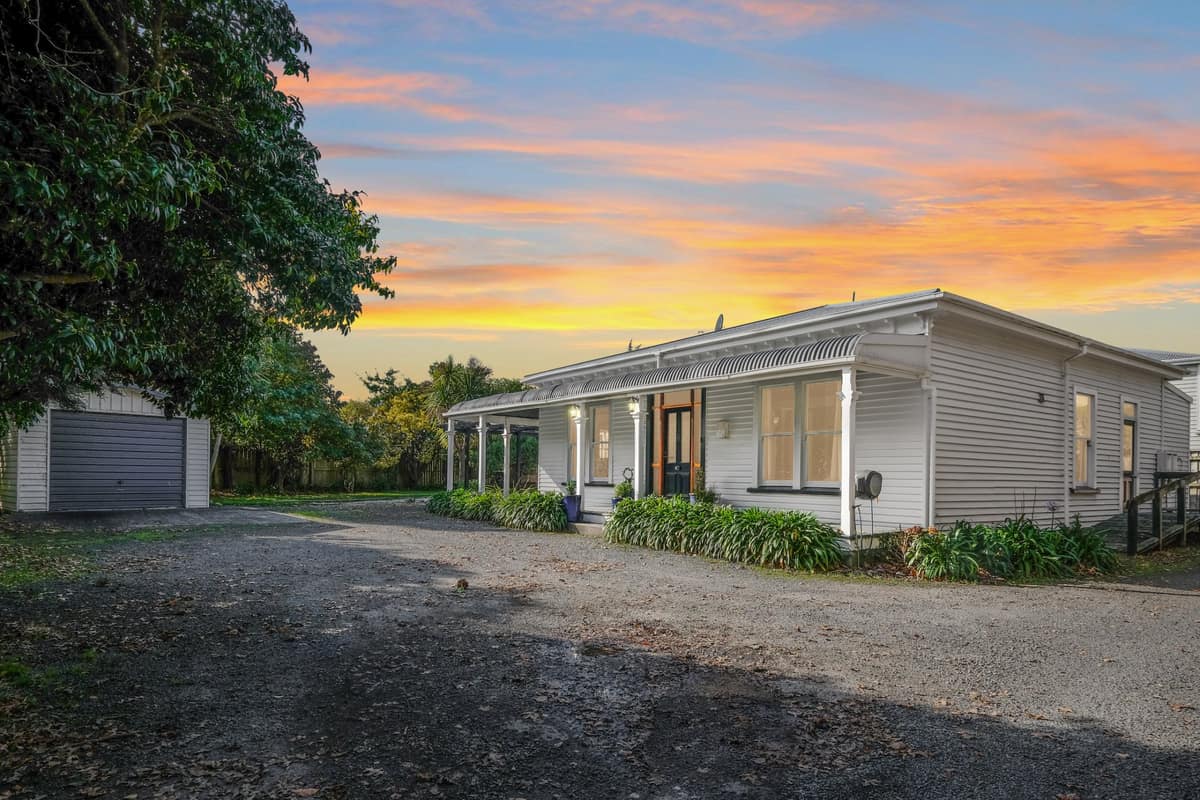
Driftwood Villa has been operating as short term accommodation for more than 10 years. Specifically set up to serve larger groups with each bedroom with it's own small bathroom.
- Heat pump
- Garage
- Spa Pool
How co-owning this home works
- You buy a 30% share ($282,000) and become its co-owner. You can live in it or hold it as an investment, and you make the day-to-day decisions.
- The investor holds the other 70% as a passive co-owner and can't live in the home. You buy your share with cash, so there's no mortgage on your share.
- You pay an occupancy fee on the investor's share — $435/wk now, at an agreed rate of 3.44% a year that's fixed for the term. The weekly amount is updated each quarter as the investor's share is revalued. It's typically below market rent.
- Your share grows as you top up, and you can buy your way up to owning it outright. Its value moves with the home's value, so it can fall as well as rise.
Know the risks before you offer6 points
- If you fall behind on payments, the investor can require the home to be sold — as a last resort, after 60 days' written notice. Not while you genuinely dispute the amount: disputes go to mediation, then binding arbitration.
- When the home is sold, the investor is paid first. Their full share comes out after the costs of sale; you receive what's left. You can sell at any time, but only at a price that covers the investor's full share after those costs.
- Your share must stay at 20% or more. If values fall it can dip below that, and you'd have up to five years to top it back up.
- Your money is tied up in the home. Unlike leaving a rental, getting out means selling the home or buying the investor out, which takes time and costs money.
- Costs on top. You pay the rates, insurance and upkeep, your own legal costs, the verification fee, and a one-off sign-up fee under the agreement when the partnership is formed. The Manager confirms both amounts before you pay or commit. The agreement shares the total cost of purchase between you by share, so confirm your exact buy-in with the Manager.
- Holding it as an investment? The current agreement is written for a resident who lives in the home. If you won't, ask the Manager how that works before you offer.
A summary, not the agreement. It isn't legal or tax advice — get independent advice before you commit. FAQ →
Who runs this, and where your money goes
- A Manager runs the agreement. It's a separate party to the co-ownership agreement and works for both owners: it keeps the ownership register, collects the fees and pays them on.
- Payments are kept apart. They go into a dedicated bank account, separate from the Manager's own money, and can only be used as the agreement says — no undisclosed benefit to the Manager.
- A statement every month. Both owners get one, and the records are kept for seven years.
- Recorded on the title. Both owners' interests are recorded against the property's title.
These are commitments in the co-ownership agreement. About Passive Partnerships →